
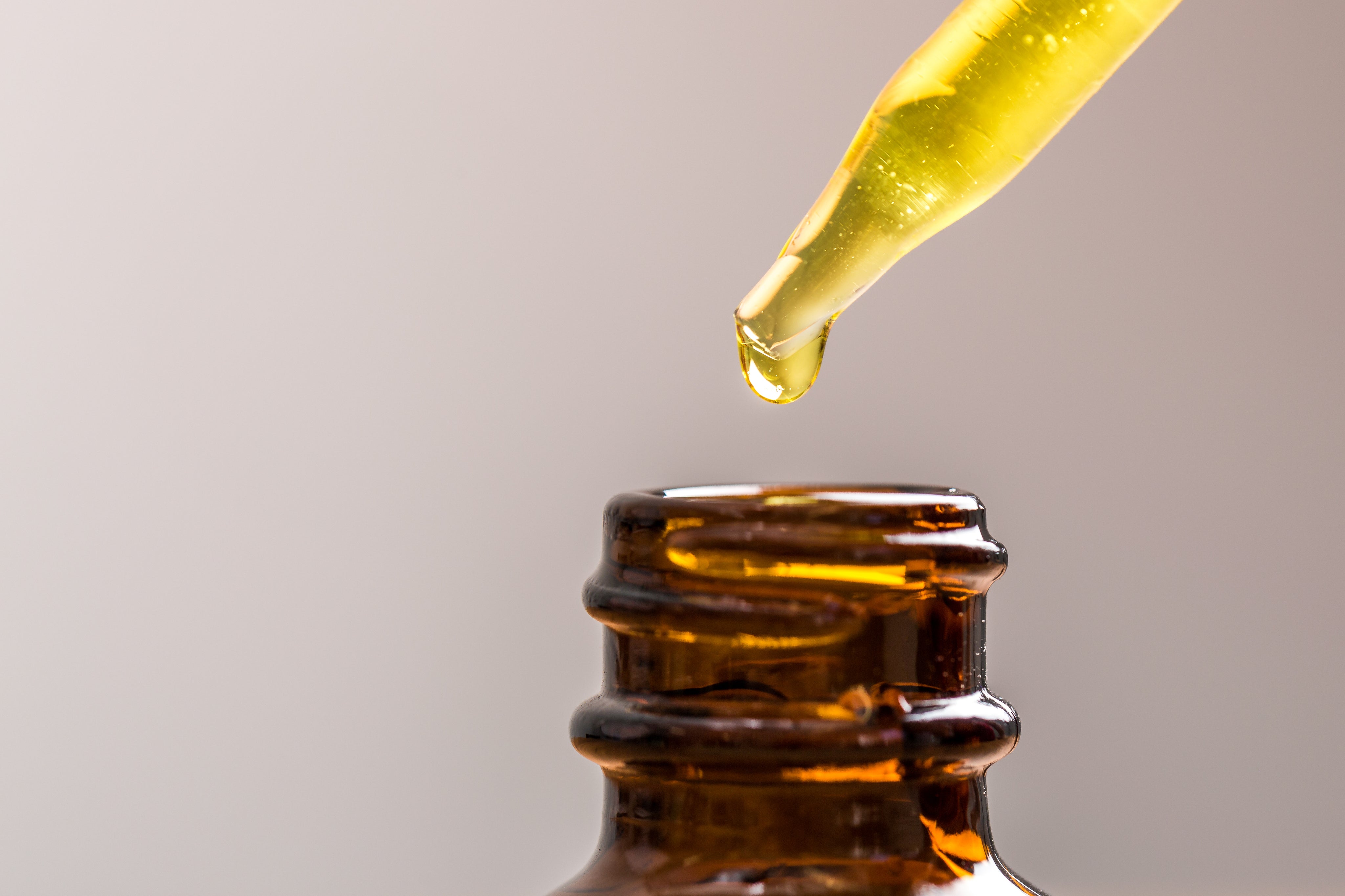
In a world where the pace is accelerating, essential oils offer a breath of fresh air, an anchor, a moment to return to oneself.
But beyond their fragrance, their impact on our emotions is now confirmed by science : the nose is directly connected to the limbic system, the area of the brain that manages emotions, memory and stress.
Here are 5 major benefits of essential oils on emotional well-being , supported by current scientific knowledge.
1. They soothe the nervous system
Aromatic molecules reach the limbic system in a few seconds.
Lavender, for example, is widely studied for its calming effect.
Studies: Several studies (including those from the National Library of Medicine ) demonstrate that it reduces the activity of the sympathetic nervous system responsible for stress.
Result: calmer breathing, reduced tension, a clearer mind.
2. They improve sleep quality
Certain oils promote the deep relaxation needed before sleeping:
-
bergamot
-
chamomile
-
cedar wood
They help to stabilize the heart rate and reduce mental agitation, making it easier to fall asleep.
Studies show a decrease in mild insomnia and an improvement in restorative sleep.
3. They stimulate mental clarity and concentration
It's not just for relaxation!
Fresh scents like:
-
peppermint
-
rosemary
-
eucalyptus
activate attention, increase cerebral oxygenation and improve alertness.
According to several neuropsychological studies, these oils can improve working memory and concentration.
4. They support emotional balance
Essential oils influence neurotransmitters that modulate our emotions, such as:
-
serotonin (calming)
-
dopamine (gentle motivation)
They can accompany moments of emotional fatigue, irritability, or mental overload.
They do not replace medical treatment, but they offer a natural and sensory support that is much appreciated in daily wellness rituals.
5. They create rituals that reduce stress
The science is clear: having a stable ritual reduces cortisol (the stress hormone).
Adding essential oils to these rituals amplifies their grounding power.
Examples of micro-rituals:
-
spray an ambient mist in the evening
-
add a few drops to the bath
-
massage the temples with a gentle synergy
-
breathe deeply a comforting fragrance
The brain associates the smell with relaxation, and the effect becomes almost automatic over time.
Conclusion
Essential oils are not just a fragrance: they are valuable allies for emotional well-being , supported by neuroscience and everyday experience.
They invite us to slow down, feel, and return to the essentials:
Our breath, our presence, our inner peace.